I have two talks that address this question from a scientific perspective. First my friend, Dr. Patrick Berg, a medical surgeon and bio-chemist, who is also LDS, has provided an excellent, but pretty technical discussion of the relevant bio-chemistry at this link. This talk was presented at the Los Alamos Faith and Science Forum in the summer of 2022. Here is a copy of his slide deck:
Secondly, Dr. James Tour in a YouTube talk makes a similar and very strong argument that the probability of abiogenesis is less than 1:10^-40, and impossibly small probability. Zero, with many exclamation points after it: 0!!!!
Here I want to summarizeDr. Berg’s argument:

Unfortunately, today we have “scientific” ideologues pushing false science in the name of anti-theistic (and other) agendas. Science has become very broad and highly technical. No single person comfortably straddles the whole range of scientific knowledge, but we all expect that a PhD level scientist of any topical area can know enough science to get to the heart of truth claims of other scientists. That expected scrutiny by peers is unfortunately often absent. The reality, is that when agendas are being promoted, scientific discipline can receive short shrift in the interest of ideology. Sometimes it takes a topical expert to debunk unmerited expertise.
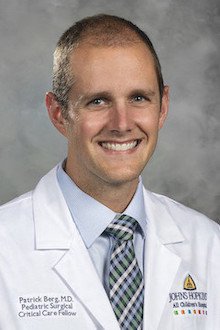
Here Dr. Berg addresses the daunting gaps between assertions of spontaneous abiogenesis (biological origin of life) and the realities of scientific research. In a measured and analytic presentation, laying out the foundations of cellular bio-chemistry, he shows the vast gap between claims that nature provides so many random opportunities for the “right combinations” of chemistry to start life spontaneously, and the realities of the very specific and enormously complex combinations that such serendipity would require.
Patrick then examines a top-level joint-review paper of numerous “experts” that asserts that proof of abiogenesis is imminent, and that sufficient evidence exists to be confident of that outcome. He then examines the research papers cited by the paper as supporting that conclusion, and demonstrates that the claims asserted in the review paper are not supported by the citations.
He also does a great job of debunking these claims, technical , but no expert explanation.
 Faith Illuminating Science--Science Illuminating Faith