
published in the Los Alamos Daily Post, 28 June 2023
In the Los Alamos Faith and Science Forum* we have had the opportunity to examine the interface of science and religion across a broad range of topics (come listen to our LAF&S Summer Lecture Series![1]). I find it particularly exciting to think scientifically about the practical impact of religion on society.
Our Western society is in flux, experiencing rapid change in traditional practices and values[2] that have served human society for millennia. Many advanced industrial societies are experiencing a dramatic reduction in birth rates,[3] with some dropping below replacement levels.[4] Society is only as good as the next generation. If we do not have women and men willing to marry and bear and raise children, we will not survive as a society. (But there will be someone willing to immigrate here to supplant us.)
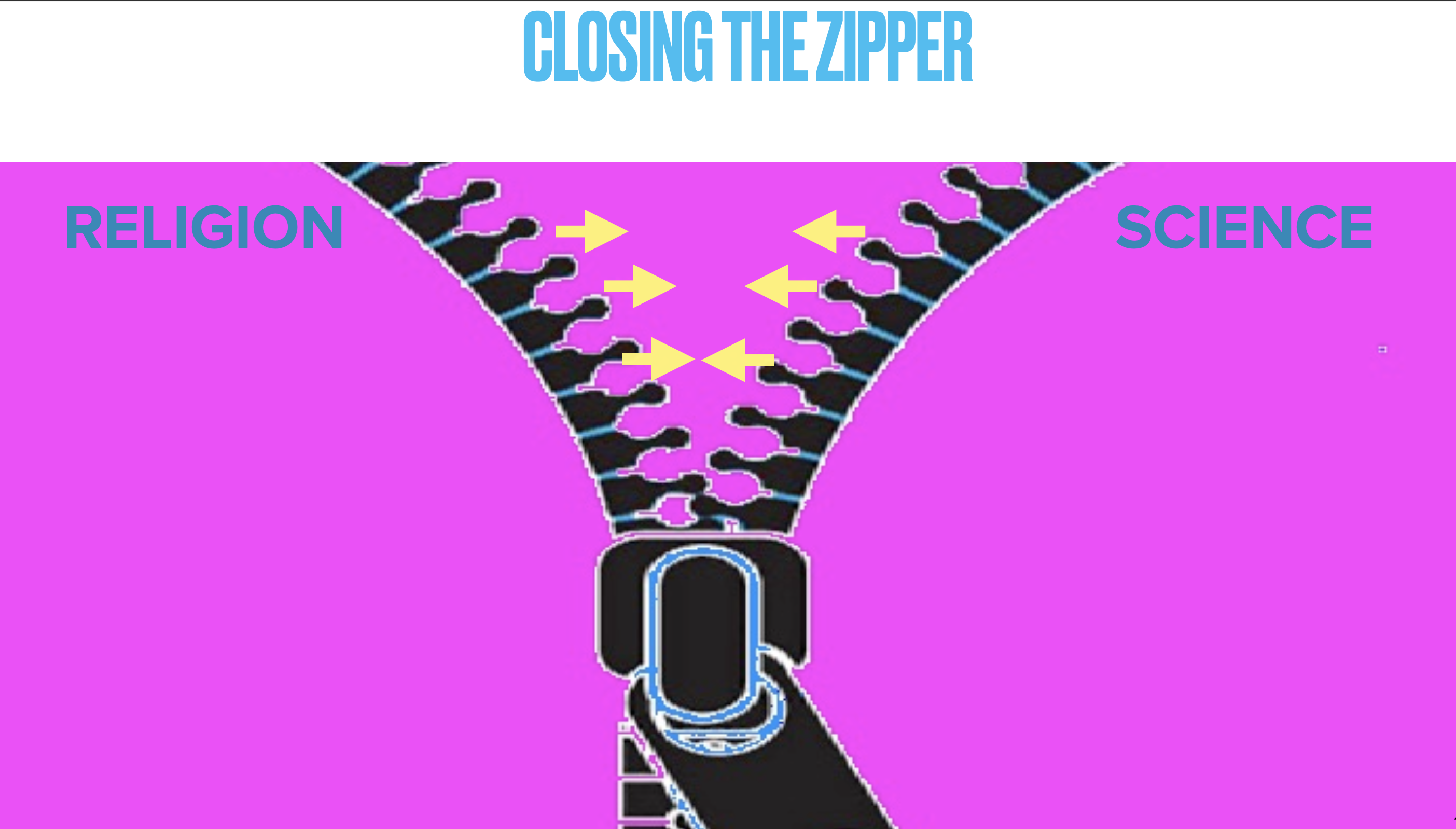
The traditional steward of family values has been religion. Today, partially fueled by the popular view that advances in science have cast doubt on the validity of religion (a view I do not subscribe to[5]), the power of religion’s advocacy for marriage has dropped. I believe that God’s instructions are for the immediate and proximate benefit of humanity, not just for future salvation.
Let’s discuss the scientific examination of the role of family in our society. In the Biblical Genesis account, the marriage of Adam and Eve by God is described in this way: “Therefore shall a man leave his father and his mother, and shall cleave unto his wife: and they shall be one flesh.”[6] This explicitly states that a binary couple be committed to each other, independent of others, and sexually joined. This marriage practice has dominated the expectation of human society for thousands of years, to our day. Children come naturally when the marriage relationship dominates other interests, and where children are protected, nurtured, and cared for by both parents.
Science has seen that relationships in which the husband and wife are emotionally and sexually faithful and committed to each other have long-term stability and resilience, where the partners are healthier, live longer, are happier,[7] and are more prosperous.[8] Marriage is a refining experience. Long-term married couples, who are committed to each other, can better love each other and care about each other’s needs. These can develop rich, satisfying, and fulfilling physical relationships.[9] Marriage is not amateur hour. Serial experiences of short-term, uncommitted, unmarried couples cannot reach the same level of trust, fulfillment, discipline, or unity of purpose.[10]
Not surprisingly, we also see that women who are not married, and are thus without the commitment and support that comes with marriage, are much less willing to bear and rear children.[11]
Scientists have measured the outcomes for children born into variations of parent relationships: married, cohabiting, and single-parent situations.[12] It is very clear that children born into committed, faithful, marriages statistically do much better by any metric,[13] than children who are born into any other arrangement, or lack of arrangement. (The term “statistically” means that this is an average result, and that there are exceptions in any aspect of these measures of wellbeing.)
Children from faithful, loving, and committed marriages are better fed, better educated, more disciplined, are healthier physically, emotionally, and mentally, and experience less violence, less crime, less addiction, etc. These children know what a respectful and kind home environment feels like. They have role models for navigating the very challenging terrain of interpersonal relationships. They know what sacrifice, compassion, commitment, discipline, nurturing, etc. look like. They can better develop such attributes in themselves, and look for them in potential partners, and subsequently build better families of their own. This fact translates into stronger societies which are more industrious and law abiding, and which will generate follow-on generations of children who can become great citizens.[14]
Human children have a long maturation period compared to other mammals. And when we are born (still tiny enough that our big heads can pass through the mother’s birth canal) we are unable to survive on our own, and we remain immature for many years! Most mammals can walk within minutes of birth, operate on their own within months, and reproduce within months to a year. Not our children! Our young require feeding, training, and protection far longer. On top of that, in our modern society, our young are not self-sufficient without advanced education, maybe even college! This rarely happens without the integral married family.[15]
Humans are fragile. It is true that many humans have survived over history in itinerant bands where marriage structure was not present, where mothers carry their infants as the band moves, nursing them while they grub for roots. In these primitive societies, which still exist in remote locations, mothers depend on the band for protection and support. But infant mortality is high, and the bar for maturity is very low. Stable family and clan structure has enabled us to better care for and train our children. However, while a village can help, it is not a substitute for an integral married family.
In modern society, physical strength and hunting skills no longer dominate the attributes needed to sustain a family. The physical demands of child care are much reduced by modern technology. The more cerebral and organizational skills required by modern industry are accessible to both genders. Men and women are renegotiating the balance of our relationships. We are finding that we can be much more flexible as we work together to ensure that we, as marriage partners, are fulfilled and satisfied while being great parents to our children.
Human relationships are hard.
It is hard to learn to love each other. This is not really appreciated in our society. “Falling in love” and “living ever after” are myths that undervalue the skill development required by the very real challenge of building lifetime relationships. This only happens with effort, discipline, and coping skills, that are best taught by good parents or other role models. We are entertained by scriptwriters that make relationships magically happen on film—minutes from meeting, to dinner, to bed, and smooth relationships afterwards. Don’t be fooled, that is not real. In reality, it is hard to contain our selfishness, distrust, and volatility enough to maintain relationships with others, however attractive they may appear to be at first contact. This is especially true for sustaining intimate relationships where we must share trust, space, attention, values, and resources for a lifetime.
The topic of failed marriages is a legitimate and complex discussion, which I will not attempt here. Not every marriage succeeds. Assignment of blame depends on perspective. There have been many injured women and men over history. Heartbreak abounds. However, some breach of the religious principles of love, respect, diligence, chastity, etc. are often present in the fault chain analyses. Potential for failure does not justify failing to try.
The religious instructions to marry and to be faithful in marriage are accompanied by other instructions which God gave Moses,[16] and which Jesus taught,[17] to establish and observe property rights, to constrain violence, to practice honesty and self-control, to respect each other. Our modern society has codified these rules into our US constitutional government (and they have spread across the world to some degree). State and local laws apply these fundamental social principles in nuanced ways that address our local needs. They are critical to the effective functioning of our society.
Modern government is challenged to address the demand in our society for abortion, with the vast majority (~90%) of those being pregnancies of the unmarried.[18] We are challenged to develop policies extending compassion and inclusion to a growing number who are unable to find a place in binary, gender-normal society, and whose activism seems hostile to traditional marriage-based society. Our society is impacted when many young people, particularly from the poorer and less educated segments of society, choose cohabitation, without the commitment of marriage, and who bear children. Often, they themselves do not have marriage examples to follow. Their choices represent generational cascades of the undisciplined: poverty, ignorance, addiction, crime, and children outside of marriage.
Binary, gender-normal, husband and wife, married relationships are essential to the propagation of the next generation, the continuation, health, and prosperity of human society, and the nurturing of the children.
Science tells us that these traditional religious family structures and values are critical for sustaining a vibrant and successful society, generation to generation. To preserve our nation, we must not lose sight of the family, as we address other real problems in society.
These are my views and do not necessarily represent the views of organizations I am (enthusiastically) affiliated with: the Los Alamos Faith and Science Forum, the Church of Jesus Christ of Latter-day Saints, and the Los Alamos Republican party.
Addendum- Because of the robust response to the online publication of this Op-Ed, I will clarify some things I did not explicitly state before, but which I believe.
I said that religion has had a tremendous impact on the development of modern human society. In particular the implementation of the social construct of marriage, that has been measured by social scientists to provide significant increases in happiness, health, prosperity, education, and the social skills of both parents and children. Commenters stated that discussing this fact, particularly the original instructions that God gave when He joined Adam and Eve in a heterosexual union, automatically excluded or disparaged those who do not identify as gender-normal heterosexual: LGBTQ+ – a set of groups that, while a small minority of society, has dramatically expanded and diversified in my lifetime. These energetic groups have social and political impacts today that far exceed their numbers, partly because of friends and family members who care for their wellbeing. Commenters also said that discussion of marriage was hostile to women, consigning women to subservient and undesired roles.
Humanity is very diverse- not only gender and the above-mentioned variations, but race, social status, culture, education, language, economic and health circumstances. Some core principles work for most of society, but may not be effective for all. To be effective in the main, social policy must be broad, even when it comes from God. Policy treats the mainstream, and provides exceptions for less populous cases. Implementation of social policy can be strict and unforgiving, or it can be compassionate and inclusive.
Marriage does not work for some people, but the principles of commitment, integrity, kindness, faithfulness, hard work, constancy over the long term, that define successful marriages, are interpersonal values that have little to do with sex. The data show that women are a major beneficiary of marriage, even if they do not have children, but even more so if they do. I do not believe that marriage should place women in subservient roles, and have seen positive changes in social expectations for marriage relationships. Fortunately, many women want marriage and value children. Children only come from women. A replacement birthrate is critical for the survival of society. Some critics said that we have too many people and should stop reproducing. That is a topic for a different time.
These marriage principles certainly should be effective in same-sex relationships, and in the nurturing of children within those households. The same metrics of success should also benefit adults and children within faithful and lasting same-sex relationships. I do not have any data comparing longevity between different-sex and same sex marriages- but long-term stability is the key determinant of those benefits. Both same-sex and male/female cohabitation partnerships have been shown to have 2.5x more dissolutions than marriages, over 5.5 years,—clearly not as beneficial as marriage.
Jesus Christ, who I worship, focused on kindness and inclusivity in applying God’s Laws, while He insisting that keeping the Law was critical. The New Testament says that He was born into a conflicted nation, occupied by a hostile army. His people had enmity with their neighbors, and mistreated those at the economic and social margins of their own society- not unusual for that time, or even for today. Jesus made it a point of ministering to the “other.” He shockingly started His ministry in a Samaritan town—they were traditional enemies and despised by His own people—and began by ministering to a woman not observing marriage laws. Throughout His ministry, He sought out the poor, sick, and disenfranchised. He taught forgiveness, kindness, inclusion, compassion, and love. He taught that all mankind are children of God, and explained that our salvation comes through obedience to His Father’s commandments, both during our lives and beyond.
We are all different, and are in different situations. I believe that, as Jesus taught, every person of every race, culture, health, social situation, including those who identify as LGBTQ+, deserve compassion and care. I believe all citizens should be treated fairly, and have equal opportunity, and should be encouraged to act in ways that maximize their personal, family, and community prosperity, harmony, and safety. As stated above, national and local social policy that encourage lasting and faithful marriage will benefit parents, children, and the communities in which they live, and should be supported.
The religious principles of marriage, love, inclusion, tolerance, and kindness are fundamental human values of societal success, along with honesty, rule of law, value of human life, etc. They have penetrated into cultures across the world, resulting in today’s incredible globally-connected multinational society, in which peace, prosperity, education, commerce, research, and family opportunity abound. While different parts of the globe experience this benefit at different levels, the trend for all nations is upward. In a society where we struggle today to agree on some basic principles of human interaction, I think the gift of these powerful laws so long ago is remarkable, and should be supported by public policy.
*After publication, some of the leadership of the LAF&SF were incensed that I would refer to the Forum’s discussions as inspiration to study scientific evidences of God’s laws and published this disclaimer, excoriating me for my views, and demanding a published apology. This, in spite of numerous discussions via email, in person, and in Forum lectures, which had previously transpired within the Board and the membership on this very topic, and in other related discussions of the social impact of religious teachings. I have not published an apology.
[1] https://losalamosfaithandscienceforum.org/summer-2023
[2] https://www.pewresearch.org/social-trends/2015/12/17/1-the-american-family-today/
[3] Low Fertility and Population Ageing: Causes, Consequences, and Policy Options, by Jonathan Grant, Stijn Hoorens, Suja Sivadasan, Mirjam van het Loo, Julie DaVanzo, Lauren Hale, Shawna Gibson, and William Butz, MG-206-EC, 2004, http://www.rand.org/ publications/MG/MG206
[4] https://www.visualcapitalist.com/worlds-plummeting-fertility-rate/
[5] Gary Stradling, Adam’s Origin and Purpose, June 2021, LAF&SF Summer Lecture presentation, https://www.youtube.com/watch?v=98YzeoHzVrc&t=189s
[6] Genesis 2:24, https://www.churchofjesuschrist.org/study/scriptures/ot/gen/2?lang=eng&id=p24#p24
[7] https://ifstudies.org/blog/does-getting-married-really-make-you-happier
[8] https://ifstudies.org/blog/cohabitation-doesnt-compare-marriage-cohabitation-and-relationship-quality
[9] https://www.pewresearch.org/social-trends/2019/11/06/how-married-and-cohabiting-adults-see-their-relationships/
[10] I will let you Google articles about dissatisfaction of the “bad sex” experiences of the sexually-active unmarried.
[11] https://ifstudies.org/blog/no-honey-no-baby-the-relational-and-economic-factors-associated-with-having-children-in-america
[12] https://www.aecf.org/blog/child-well-being-in-single-parent-families?
[13] “Are married Parents Really Better For Children? What Research Says About the Effects of Family Structure on Child Well-Being” by Mary Park, May 2003, https://www.clasp.org/sites/default/files/public/resources-and-publications/states/0086.pdf
[14] https://ifstudies.org/blog/the-wealth-of-nations-begins-at-home
[15] https://marripedia.org/effects.of.marriage.on.children.s.education
[16] https://www.churchofjesuschrist.org/study/scriptures/ot/ex/20?lang=eng&id=p2-p17#p2
[17] Matt. 5:1–7:29 https://site.churchofjesuschrist.org/study/scriptures/nt/matt/5?lang=eng&span=5:1-7:29#p1
[18] https://www.statista.com/statistics/185325/number-of-legal-abortions-by-marital-status-in-the-us-since-1973/
©Gary Stradling June 28, 2023
 Faith Illuminating Science--Science Illuminating Faith