
Why, in a universe of trillions of star systems, does God care about us?
As a child I read the 1944 book by James Corbett, “Man-Eaters of Kumaon”. This story of man-eating tigers of India was exciting and illuminating for a boy in Belen, NM. One interesting thing that came to me from it was the question, “Why? Why did tigers eat human villagers?” The author, if I remember correctly, attributed the tiger’s interest in humans for food, in at least one case, as resulting from a deficiency, a broken jaw, that kept the tiger from foraging on it’s traditional prey.

We live in an entertainment-rich society where authors of fanciful stories fill a strong demand. I think it has always been so in human societies. Many of these plot lines feature non-human characters or forces—a malevolent mountain, an alien species, some monster, a great white shark, etc. I always wondered why the mountain, the aliens, the monsters care about the human village they are terrorizing.
I have encountered bears or elk in the mountains that acted threatening in response to a perceived threat from me to their young. The solution was for me was to move away. And, it is true that humans, including little children, are viewed by carnivores as edible flesh, if not their first selection. It is not personal or malevolent, but an opportunity to eat in a sparse and improvident world. But, in general, predators have an ecosystem they operate in, and human flesh does not usually figure in.
Human perception of deity raises this question too. Why would a God care about humans? The skeptic will say that deity is the answer to the inexplicable- a force that explains what we do not understand. We flatter ourselves that we are important. When we viewed our world as the center of the universe, maybe that made sense. But now, as we become aware that we are a grain of sand in a vast cosmic desert, not so much.
Science has given us a huge lens through which to view the world…the universe. We have explanations for many happenings that appear to be part of a cascade of events, based on pre-existent states of mass distribution, velocities and momentums, and energies. We condense the tendencies of the universe into a few models, which we call laws. These laws are constantly being refined as we learn more.
Our human religions have been parochial, focused on limited societies, and ascribing a special status to those groups that are ‘believers’. The anthropologist, Joseph Heinrich, in his book “The WEIRDest People”, speaks of idolic “gods” of aboriginal tribes as having greater reach for the benefit of organizing larger societal units, if greater power is ascribed to them.
Abrahamic Judeo-Christian religion does speak of God as having an impact on all humanity, creating the world, and all life, and humanity. Jesus talks of mankind as being the children of God.
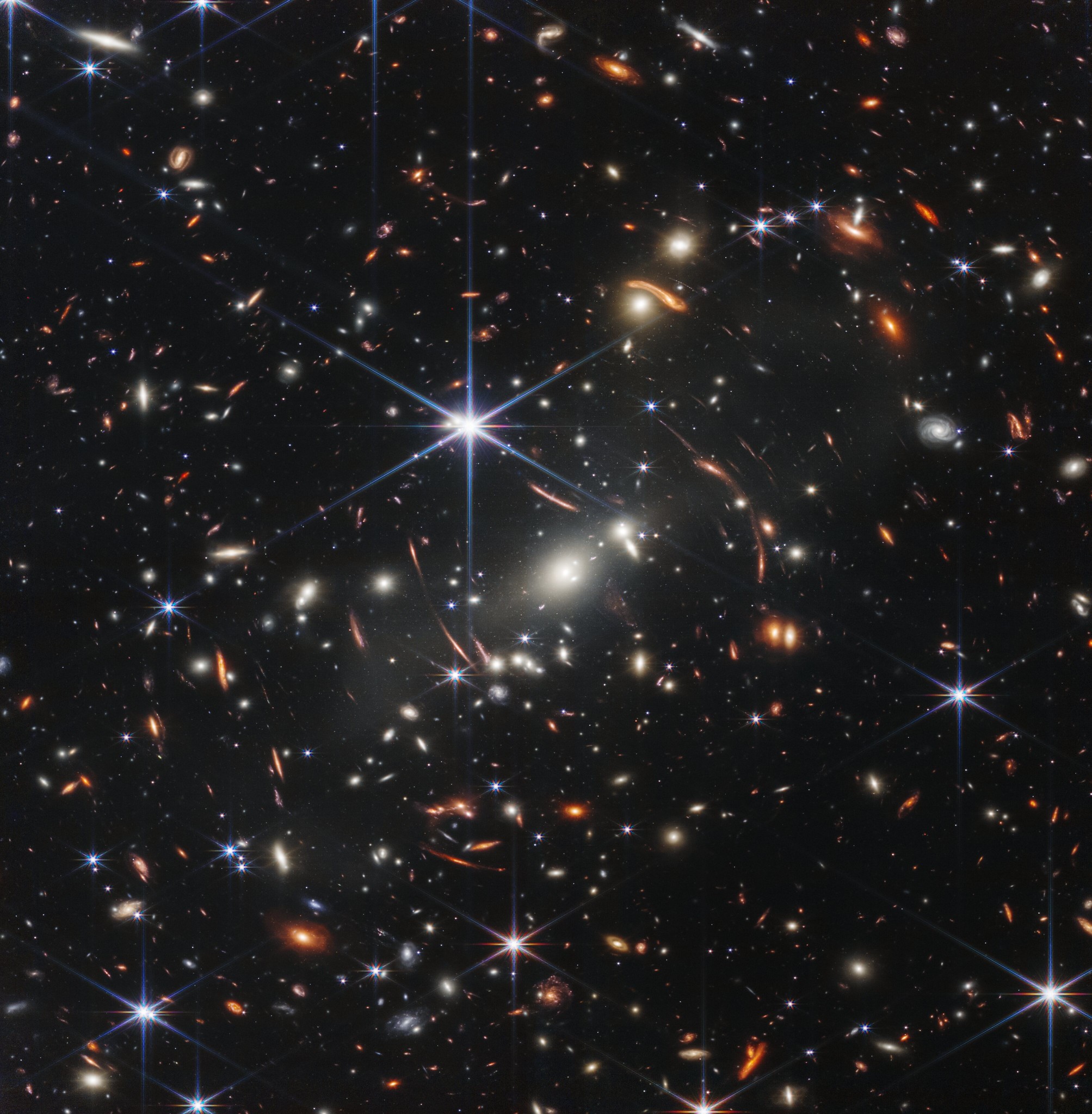
As we have examined the rapid modern expansion of our knowledge of the universe, via the Hubble and James Webb Space telescopes, and the explorations of microscopic science, the looming questions regarding humanity hinge on “Why?” “For what purpose?”
We have examined the statistical problem. If our star system/planet is one in a billion-trillion star systems why would intelligent (lets say semi-intelligent, given the travesty our news media and politics have become) life have developed here (or been placed here) and apparently not across the universe. At least no one is broadcasting, that we can detect. I have proposed that this large-number problem goes away if God created our world with specific intent to house humanity. But the question still stands, “What about the rest of the universe?”
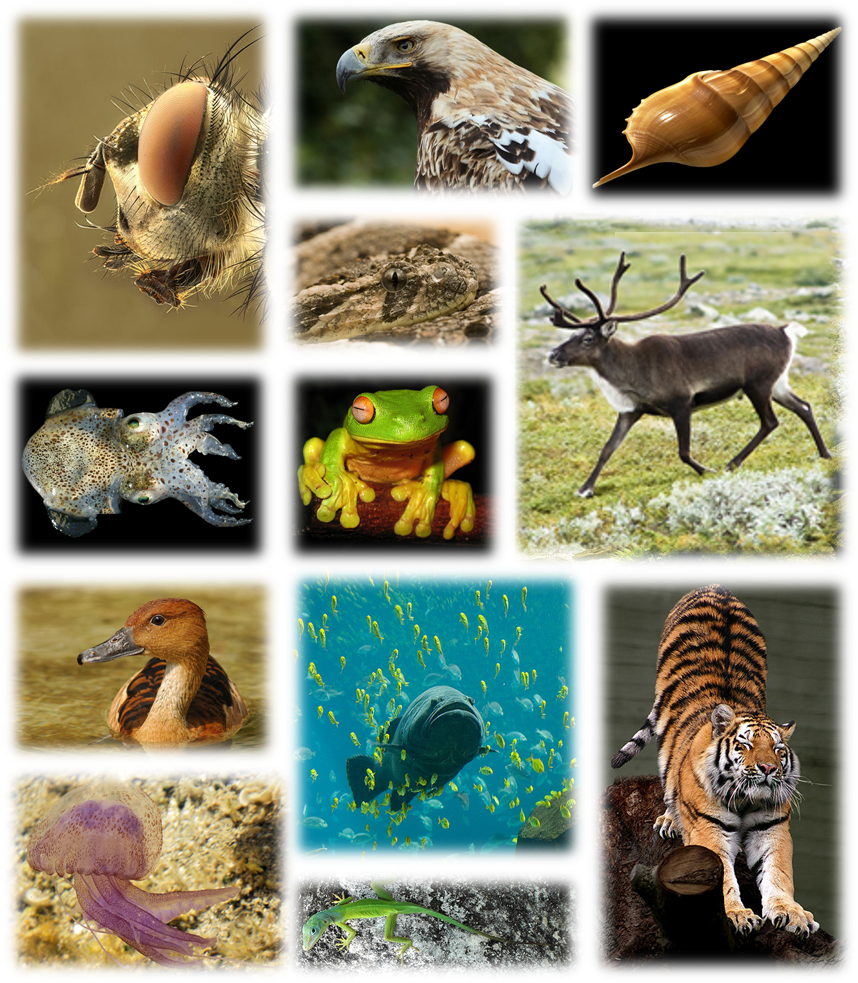
While we think we are a special species, science informs us that this peak of biological development we credit ourselves with occupying is actually crowded. The difference between human life and other mammals is minuscule, and there are other very interesting life forms on Earth. What about them? We credit ourselves with intelligence, but science tells us that there are others here very intelligent in different ways. Well, we have opposable thumbs and can change and manipulate our environment…but there is such enormous complexity and opportunity in the universe, are our little powers really that significant?
Will we survive as a species for another million years, when 99% of all previous species on this planet have already perished? Would it matter? Are other species important? What about the constant flow of life in the birth and death of trillions of living things across our world. Jesus said that their lives (e.g. sparrows and lilies) were important to God. In what way?
A major weakness of modern Christian religion is not having even a semblance of answers to such questions. Why???!!! Why does God care, about this planet, about humans, in the context of all that we know of the universe?
The hints of a foundational human relationship with God, spoken within the Bible, were shredded by philosophy, and have not survived into the creeds of major Christian religions. Some religions (even expressed in our Los Alamos Faith and Science Forum) interpret Genesis as a statement of simultaneous creation of the Earth and all the universe. Of course, timing markers across all astronomy discredit such simultaneity.
If we are important to God, then why? If He spoke to mankind through prophets and revelation, why the long silence of our recent 2000-year history? If the history of the Earth is 4 billion years, and humanity has been here for a few 10’s of thousands of years (1/10000!), how do we fit in a larger plan? Jesus spoke to us of a resurrection and Eternal Life for all humans. The prophets spoke of Heaven. Jesus said that His religion had to go to all of the world. A true and valid religion should address all of these issues.
If God is the God of the Universe, why does He care about a little backwater planet in a corner of a backwater galaxy? Is Christian religion extensible to other planets, stars, galaxies?
And what about Humans? —In the context of eternities, and the vast expanse of space, and the cyclic consumption of matter into stars and planets and then blazing into novas, etc?
The “Enlightenment” was so named partly because it was claimed to have freed mankind from the darkness and bonds of religion through the light of science. I do not buy that. There is a lot of light in science, but there is also a lot of light in religion. However, the hanging questions I have pointed to above deserve answers, or at least a path to getting those answers. If the Heavens are closed, and God has ‘gone on a journey’ (to paraphrase Elijah’s taunt to the priests of Baal), or lost interest in mankind, then we have a problem.
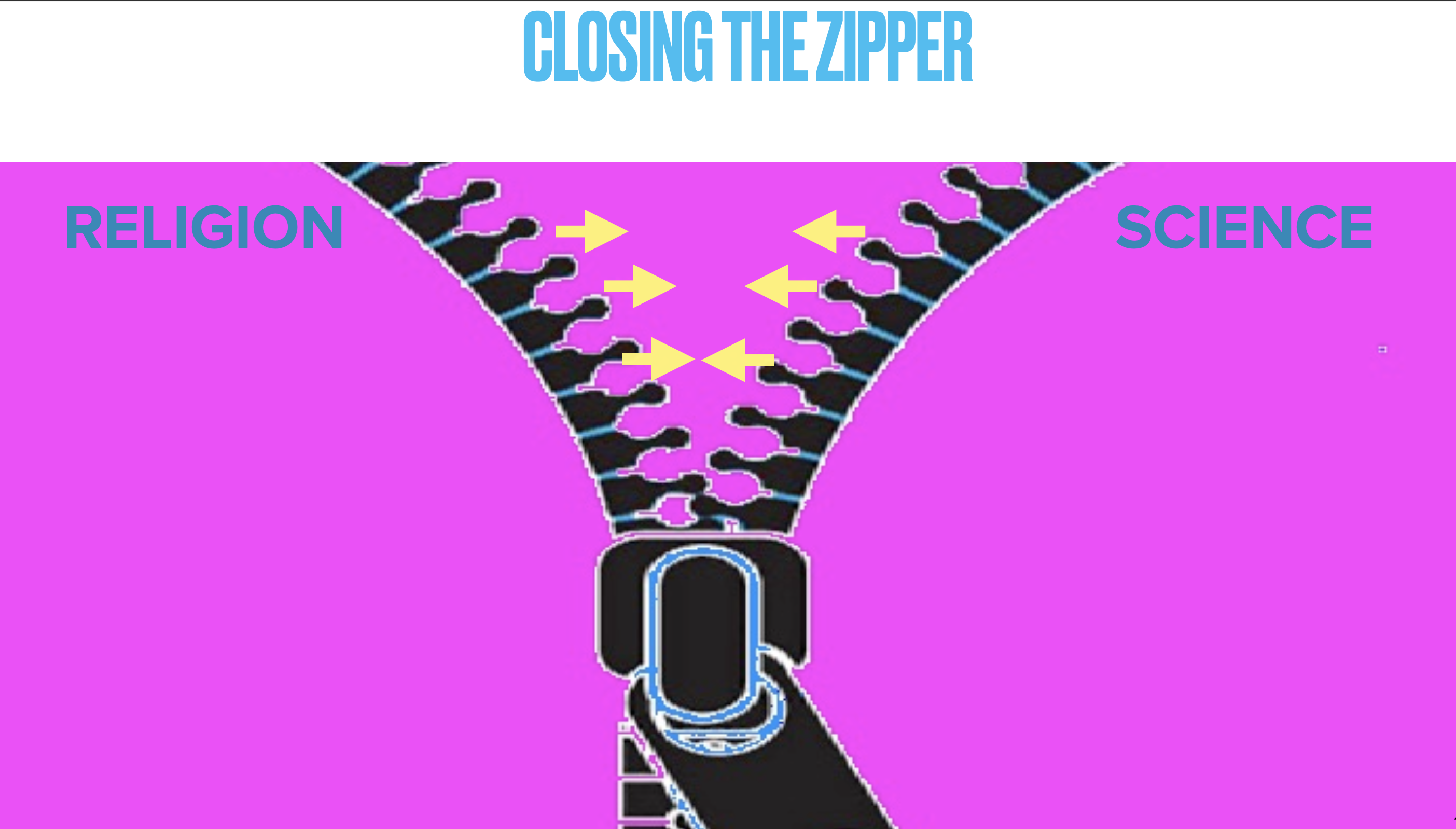
This question of “Why?” is the most compelling question at the interface of Science and Religion, in my opinion. As a Los Alamos Faith and Science Forum, or as an LDS Faith and Science Forum, can we talk/debate about these foundational problems?
I think that the revelations of God to the Church of Jesus Christ of Latter-day Saints at least provides a toe hold to begin to address some of these religious questions science poses to us. It is a tiny toe-hold because the modern revelations are mostly about theology, but may be germane to these questions. It would be interesting to explore where those toe-holds lead, or other ideas to address these questions
©Gary Stradling, 2024
 Faith Illuminating Science--Science Illuminating Faith
Leave a comment